
Description
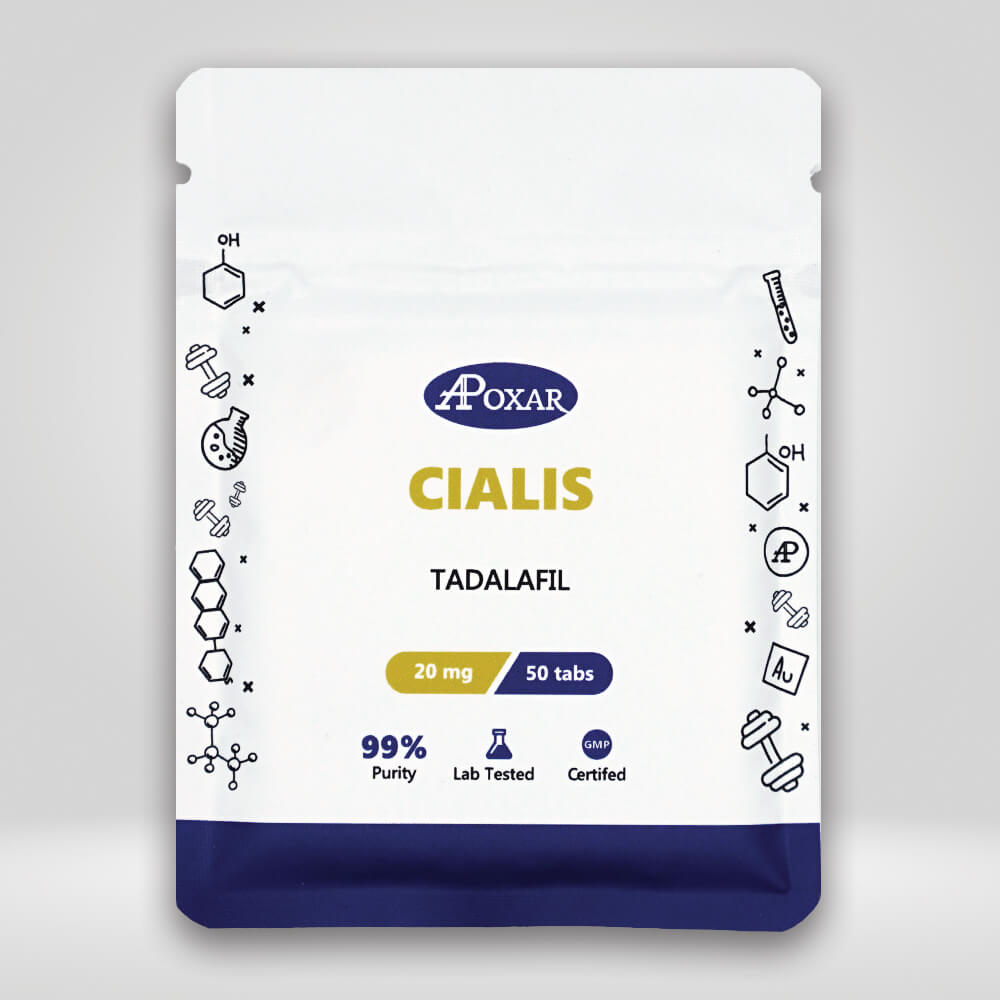
Tadalafil is a selective phosphodiesterase type 5 (PDE5) inhibitor used primarily for erectile dysfunction and, in specific cases, benign prostatic hyperplasia and pulmonary arterial hypertension. Its long duration of action set it apart when it entered clinical use, offering sustained therapeutic effects with flexible dosing options.
Mechanism of Action
Tadalafil works by blocking PDE5, the enzyme that breaks down cyclic guanosine monophosphate (cGMP) in smooth muscle tissue. Higher cGMP levels allow smooth muscles in the corpus cavernosum and vascular system to relax, improving blood flow and enabling the natural erectile response when sexual stimulation occurs. Its strong selectivity for PDE5 minimizes unnecessary interference with other phosphodiesterase pathways, which contributes to its tolerability and reliability.
Clinical Application and Dosage
Clinical use focuses on adults who need pharmacologic support for erectile function. It can be taken on an as-needed basis or as a daily regimen, depending on the therapeutic goal and the patient’s health profile. The extended half-life is the key feature here—it widens the window of activity and reduces time-related pressure on the user.
Standard dosing for erectile dysfunction includes 10–20 mg taken before anticipated sexual activity, while daily dosing uses substantially lower amounts. Prescribers adjust dosing based on the patient’s response, medical history, and any medications that could intensify blood-pressure–lowering effects.
Treatment Protocol and Monitoring
Most patients see benefit early, though some require dose adjustments for optimal effect. Monitoring centers on cardiovascular safety, especially in patients with existing cardiac concerns. PDE5 inhibitors interact strongly with nitrates and several other prescriptions, so reviewing concomitant medications is a non-negotiable step. Follow-ups ensure the therapy is effective, well-tolerated, and safe long-term.
Pharmacological Profile
Tadalafil is well absorbed orally and maintains its effect for an extended period due to a long elimination half-life of about 17.5 hours. It is metabolized primarily via CYP3A4 and eliminated mostly through feces, with a smaller portion excreted in urine. Daily dosing achieves steady-state concentrations after several days, supporting consistent therapeutic activity.
Common Side Effects
Although widely tolerated, tadalafil has predictable dose-dependent side effects. The most common include:
- Headache;
- Flushing;
- Nasal congestion;
- Back pain or myalgia;
- Rare, short-lived visual disturbances.
More serious reactions—though less frequent—include marked hypotension when combined with nitrates, prolonged erections requiring urgent care, and rare sudden hearing or vision changes. It must not be used with nitrate medications because the combined vasodilatory effect can dangerously drop blood pressure.
This summary is for educational purposes only. Tadalafil is a prescription medication that requires proper medical evaluation and supervision, particularly for individuals under 18, due to cardiovascular considerations and strict safety requirements.