
In pharmaceuticals, nothing can be left to chance. Many active substances — from hormones to biological products — are highly temperature-sensitive. Even a brief deviation from the required range can alter a molecule’s structure, reduce its activity, or make the product unsafe. That is why the cold chain — a system for continuously maintaining controlled temperatures — is a mandatory requirement across global pharmaceutical logistics.
In this article, we explain why the cold chain is so critical, what happens to a product when temperature control fails, what regulators expect, and how we ensure safe delivery.
What a cold chain is and why it matters for pharmaceutical substances
A cold chain is a fully controlled system for transporting, storing, and handling temperature-sensitive materials. It includes:
- maintaining a stable temperature from production to warehouse;
- using validated packaging and cooling elements;
- transporting products only in qualified temperature-controlled vehicles;
- continuously recording temperature data along the route.
For pharmaceutical substances, this is critical for two main reasons:
- Most of them lose stability when exposed to temperature fluctuations — even short ones.
- Manufacturers must prove to regulators that temperature limits were maintained at every stage.
Put simply: without a cold chain, product quality cannot be predicted or guaranteed.
What happens to a product when it exceeds its temperature limits
Temperature excursions affect substances on a molecular level. The consequences can be irreversible:
- hormonal and steroid preparations lose potency when exposed to heat;
- proteins and biologics denature — their structure breaks down, reducing activity;
- sterile solutions may form microcrystals if frozen;
- solutions and suspensions can separate or become cloudy;
- pH levels may shift, affecting stability and safety;
Externally, a vial may look perfect — but the product inside may no longer meet specifications. Regulators therefore treat any cold-chain breach as a potentially critical quality defect.
Regulatory requirements: Health Canada, FDA and EU GDP
Regulators do not consider the cold chain optional — it is a binding obligation for both manufacturers and distributors.
| Regulator | Key cold-chain requirements |
| Health Canada | Temperature must be documented at every step; validated packaging and transport; mandatory investigation of any temperature excursion |
| FDA (U.S.) | Continuous temperature monitoring; route validation; full documentation for inspections |
| EU GDP | Qualified transport (IQ/OQ/PQ); packaging tested for temperature retention; mandatory data loggers; carrier is responsible for conditions at all times |
What cold-chain transport must include
A standard vehicle is not suitable. Proper cold-chain transport includes:
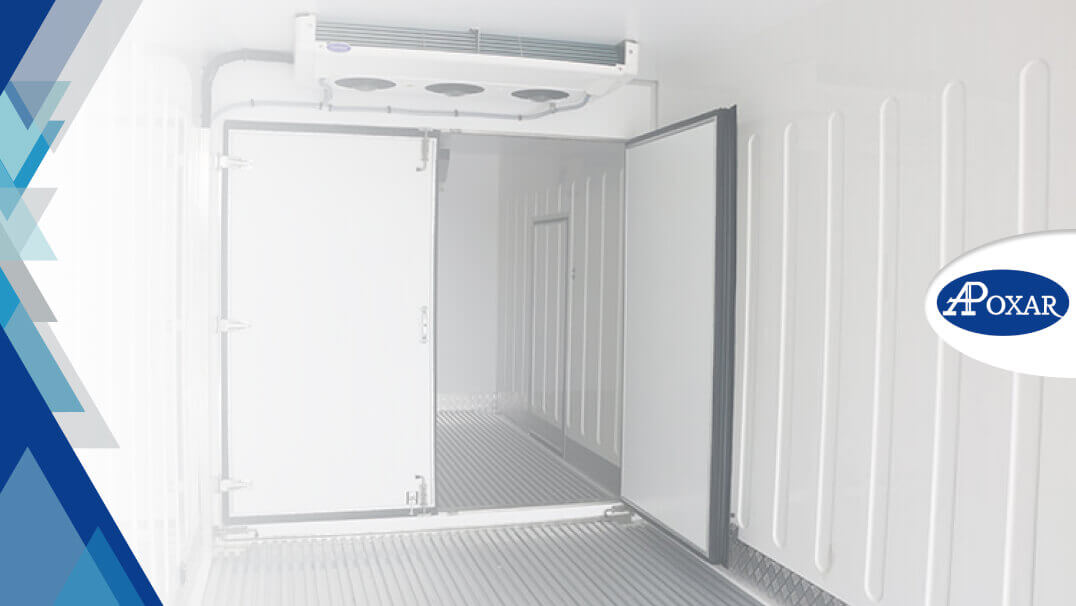
- an insulated temperature-controlled cargo chamber;
- automated cooling systems with backup power;
- built-in temperature loggers;
- vibration isolation and secure racks for vials;
- validated pharmaceutical packaging;
- full transport qualification per GMP/GDP (proof that the vehicle can maintain temperature in real conditions).
Such transport doesn’t just maintain temperature — it makes the transport conditions for, for example Methandrostenolone (Dianabol), verifiable and repeatable.
How we ensure safe delivery: our approach
We built the cold chain as part of our quality system, not as an isolated logistics step. Our process includes:
- using qualified transport with proven temperature stability;
- applying validated packaging solutions for different temperature ranges;
- equipping every shipment with an individual temperature logger;
- monitoring temperature data in real time and reacting to any anomalies;
- documenting every step of the route to ensure full supply-chain transparency;
- investigating all excursions, even short ones;
- providing distributors with detailed transport reports confirming cold-chain compliance.
This guarantees that the substance arrives in the same condition in which it left production — with no risk of degradation, loss of potency, or regulatory issues.
Conclusion
The cold chain is a rigorous system that protects the quality of pharmaceutical substances and the safety of the end patient.
When transport is controlled, data is recorded, packaging is validated, and every step is documented, the product retains its stability and activity. This is why the cold chain is one of the core elements of a reliable partnership between manufacturer and distributor.
If you’re looking to expand your portfolio with high-quality, fully compliant pharmaceutical products, we invite you to partner with us as a distributor. Our verified processes and consistent purity standards ensure reliability you can trust. Let’s build a strong partnership based on quality and transparency.