
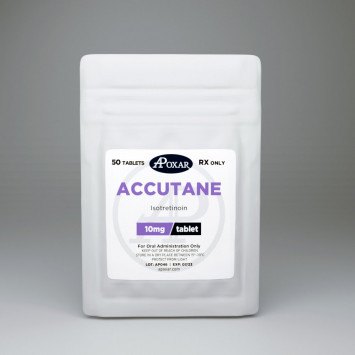
Description
Isotretinoin is a powerful oral retinoid, a derivative of vitamin A, specifically formulated for the treatment of severe, recalcitrant nodular acne that has not responded to standard therapies, including systemic antibiotics. Its development marked a significant advancement in dermatology, offering a solution for patients with debilitating cystic acne.
Mechanism of Action
The substance works through multiple mechanisms to target the fundamental pathophysiological factors of acne vulgaris. It dramatically reduces the size and secretion of sebaceous glands, normalizes the follicular epithelial desquamation process to prevent microcomedone formation, exhibits direct anti-inflammatory properties by inhibiting chemotactic responses, and lowers the population of Cutibacterium acnes on the skin by altering the follicular environment. This multifaceted approach makes it the most effective medication available for severe acne.
Clinical Application and Dosage
The clinical application of Isotretinoin is strictly reserved for the most severe cases due to its potent effects and significant teratogenic potential. It is indicated for patients with severe nodular acne who are unresponsive to conventional treatment.
A critical component of therapy, particularly for female patients, is enrollment in a mandatory risk management program to prevent fetal exposure. The dosage is individualized based on the patient’s body weight and the severity of the condition, typically ranging from 0.5 to 1.0 mg/kg per day, administered in one or two divided doses with a high-fat meal to enhance bioavailability.
Treatment Protocol and Monitoring
A standard course of Isotretinoin therapy typically lasts 15 to 20 weeks, with many patients achieving long-term or permanent remission after a single course. Throughout treatment, patients undergo regular monitoring, which includes baseline and follow-up blood tests to assess liver function and lipid levels, as elevations are a common side effect. Clinical evaluations are also conducted to monitor for other potential adverse effects and to assess therapeutic progress.
Pharmacological Profile
The pharmacological profile of Isotretinoin is characterized by its high bioavailability when taken with fat and its extensive binding to plasma albumin. It is metabolized in the liver via the cytochrome P450 system and has an elimination half-life of approximately 10-20 hours. Its metabolites are excreted in both urine and feces.
Common Side Effects
While highly effective, treatment with Isotretinoin is associated with a well-documented range of potential side effects, which are often dose-dependent. The most common are mucocutaneous and include:
- Cheilitis: Inflammation and dryness of the lips, experienced by nearly all patients.
- Xerosis: Generalized dryness of the skin and mucous membranes.
- Conjunctivitis: Dryness and irritation of the eyes.
- Epistaxis: Nasal dryness and nosebleeds.
- Elevated Serum Triglycerides and Cholesterol: A frequent laboratory finding requiring monitoring.
- Myalgia and Arthralgia: Muscle and joint pain.
More serious, though less common, side effects include idiopathic intracranial hypertension (pseudotumor cerebri), hepatotoxicity, and mood changes or depression. Its absolute contraindication is pregnancy due to its high risk of causing severe life-threatening birth defects.
You can buy Isotretinoin made by Apoxar in bulk in Canada via our website. Navigate to the “Purchase” tab and fill the contact form with details of your wholesale order. Please note: we do not sell single packs or ship directly to consumers, Apoxar is a wholesale fitness medication manufacturer and we work exclusively with our approved distributors.