
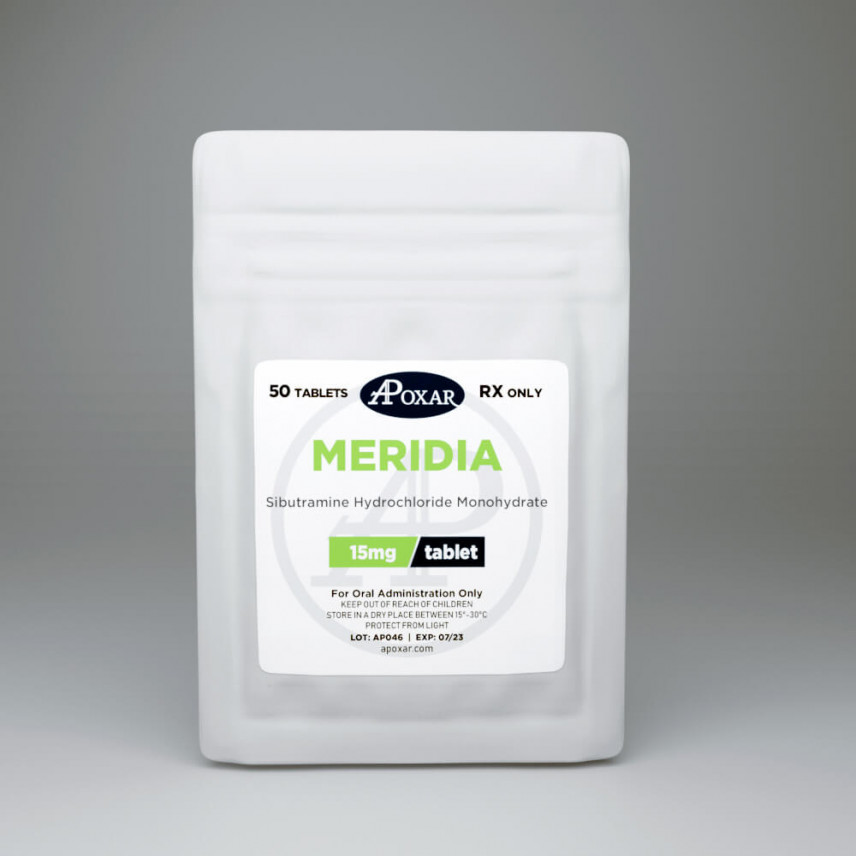
Description
Sibutramine is a centrally-acting anorectic agent, historically prescribed as an adjunct for weight management in obese patients. It functions primarily as a serotonin-norepinephrine reuptake inhibitor (SNRI), increasing the levels of these neurotransmitters in the brain to enhance satiety and increase thermogenesis. Its use in many countries has been severely restricted or withdrawn due to associated cardiovascular risks.
Mechanism of Action
The mechanism of action for Sibutramine involves the inhibition of the reuptake of the neurotransmitters serotonin (5-HT) and, to a lesser extent, norepinephrine (NE) and dopamine (DA) in the central nervous system. By increasing synaptic concentrations of these monoamines, Sibutramine enhances feelings of fullness (satiety) and stimulates the sympathetic nervous system. This leads to a reduction in food intake and an increase in resting energy expenditure (thermogenesis), primarily through the activation of beta-3 adrenergic receptors.
Clinical Application and Dosage
The clinical application of Sibutramine was strictly for the management of obesity, as an adjunct to a reduced-calorie diet, in individuals with a Body Mass Index (BMI) of 30 or greater, or 27 or greater with other risk factors like hypertension or diabetes. Its use required careful patient selection and monitoring.
Dosage of Sibutramine was highly regulated. Treatment typically began at 10 mg administered orally once daily. Based on tolerance and weight loss response, the dose could be increased to 15 mg daily. The 15 mg tablet strength was the maximum recommended daily dose. Treatment with Sibutramine was discontinued if significant weight loss (e.g., 5% of body weight) was not achieved within the first 4 weeks.
Treatment Protocol and Monitoring
Treatment with Sibutramine was intended as a short-to-medium term adjunct, not a lifelong therapy. Due to its potent mechanism, rigorous monitoring was mandatory. This included regular checks of blood pressure and heart rate before and during treatment, as Sibutramine is known to cause increases in both. Baseline and periodic electrocardiograms (ECGs) were also recommended for patients with cardiac risk factors. The drug was contraindicated in patients with uncontrolled hypertension, coronary artery disease, congestive heart failure, arrhythmias, or stroke.
Pharmacological Profile
Sibutramine is a prodrug, metabolized in the liver by cytochrome P450 (3A4) to active primary and secondary amine metabolites (M1 and M2), which are responsible for its pharmacological effects. It has an oral bioavailability of approximately 77%. The active metabolites have long half-lives (14-16 hours for M1 and M2), allowing for once-daily dosing. Sibutramine and its metabolites are extensively metabolized and excreted in both urine and feces.
Common Side Effects
Treatment with Sibutramine was associated with a range of side effects, some of which contributed to its market withdrawal. The most common included:
- Cardiovascular Effects: Increases in blood pressure and heart rate (tachycardia), palpitations.
- Central Nervous System Effects: Headache, insomnia, dizziness, anxiety, and dry mouth.
- Gastrointestinal Effects: Constipation, nausea, and loss of appetite (an intended effect).
- Other: Taste alteration, rhinitis, and increased sweating.
The most serious risk, which led to its withdrawal, was a significantly increased incidence of major adverse cardiovascular events (MACE), including non-fatal myocardial infarction, non-fatal stroke, and cardiovascular death, as identified in the SCOUT trial.
You can buy Sibutramine made by Apoxar in bulk in Canada via our website. Navigate to the “Purchase” tab and fill the contact form with details of your wholesale order. Please note: we do not sell single packs or ship directly to consumers, Apoxar is a wholesale fitness medication manufacturer and we work exclusively with our approved distributors.