
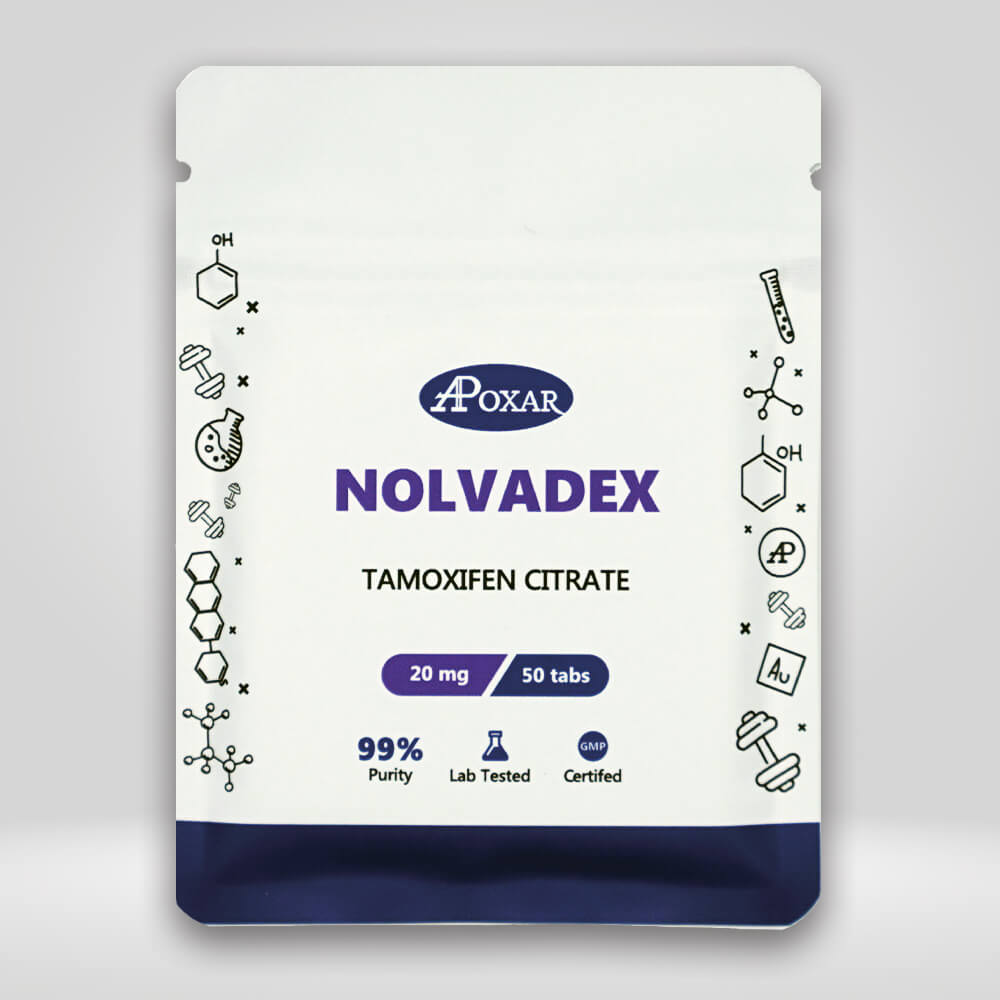
Description
Tamoxifen is a selective estrogen receptor modulator (SERM) and a cornerstone medication in endocrine therapy. It is primarily known for its role in the treatment and prevention of estrogen receptor-positive (ER+) breast cancer, but it is also a critical ancillary drug in performance enhancement for managing and preventing estrogenic side effects, such as gynecomastia, during and after anabolic steroid cycles.
Mechanism of Action
The mechanism of action for Tamoxifen is tissue-specific. It acts as a competitive antagonist of the estrogen receptor in certain tissues, like breast tissue, thereby blocking the proliferative effects of estrogen. In other tissues, such as bone and the endometrium, it can exhibit weak estrogenic activity. In the context of anabolic steroid use, Tamoxifen works by binding to estrogen receptors in the breast tissue, preventing estradiol from binding and stimulating glandular growth that leads to gynecomastia. It does not lower estrogen levels but blocks their action at specific sites.
Clinical Application and Dosage
Tamoxifen’s primary clinical application is the treatment and risk reduction of ER+ breast cancer in both men and women. In performance medicine, Tamoxifen is used for two key purposes: on-cycle to treat or prevent gynecomastia, and as a primary agent in post-cycle therapy (PCT) to help restart endogenous testosterone production by blocking estrogen’s negative feedback on the hypothalamic-pituitary-gonadal (HPG) axis.
Dosage is indication-specific. For gynecomastia prevention/treatment during a cycle, a common dose is 10 mg to 20 mg daily until symptoms subside, followed by a maintenance dose. For post-cycle therapy, a typical protocol involves 20 mg to 40 mg daily for 4-6 weeks, often tapering down. The 20 mg tablet strength of this Tamoxifen formulation is versatile, allowing for full or half-tablet dosing to meet these needs.
Treatment Protocol and Monitoring
When used for PCT, a Tamoxifen protocol typically begins after the clearance of exogenous steroids and lasts 4-6 weeks. Its effects on restoring gonadotropin (LH/FSH) secretion are crucial for testicular recovery. Monitoring effectiveness can involve symptom resolution (reduction of breast tissue tenderness) and, ideally, blood work to confirm the recovery of LH, FSH, and testosterone levels. Long-term clinical use requires monitoring of endometrial health in women.
Pharmacological Profile
Tamoxifen is administered orally and is well-absorbed. It has a long half-life (5-7 days for its active metabolite, endoxifen), allowing for once-daily dosing. It is metabolized in the liver by the cytochrome P450 system. Tamoxifen is not an aromatase inhibitor; it does not reduce circulating estrogen but blocks its receptor-mediated effects in target tissues.
Common Side Effects
While generally well-tolerated, Tamoxifen use is associated with several potential side effects. The most common include:
- Hot Flashes and Night Sweats: A very common side effect due to its anti-estrogenic action in the hypothalamus.
- Mood Changes: Some users report irritability or depressive symptoms.
- Thromboembolic Events: Increased risk of blood clots, especially with prolonged use.
- Endometrial Changes: In women, can cause endometrial thickening and increase the risk of endometrial cancer with long-term use.
- Visual Disturbances: Rare reports of cataracts or retinopathy.
- Nausea and Fatigue.
In men, a notable side effect during PCT can be a temporary decrease in libido or mild estrogen-deficiency symptoms before testosterone production recovers. Tamoxifen is contraindicated in individuals with a history of deep vein thrombosis (DVT), pulmonary embolism, or endometrial cancer.
You can buy Tamoxifen made by Apoxar in bulk in Canada via our website. Navigate to the “Purchase” tab and fill the contact form with details of your wholesale order. Please note: we do not sell single packs or ship directly to consumers, Apoxar is a wholesale fitness medication manufacturer and we work exclusively with our approved distributors.